Marks of a surface.
Light across the figure reveals variations in tone and texture. Photography can prompt questions; it cannot replace a physical condition examination.
An object carries more than its shape. Begin with what you can see. Then ask what the record can tell you.
Examine the object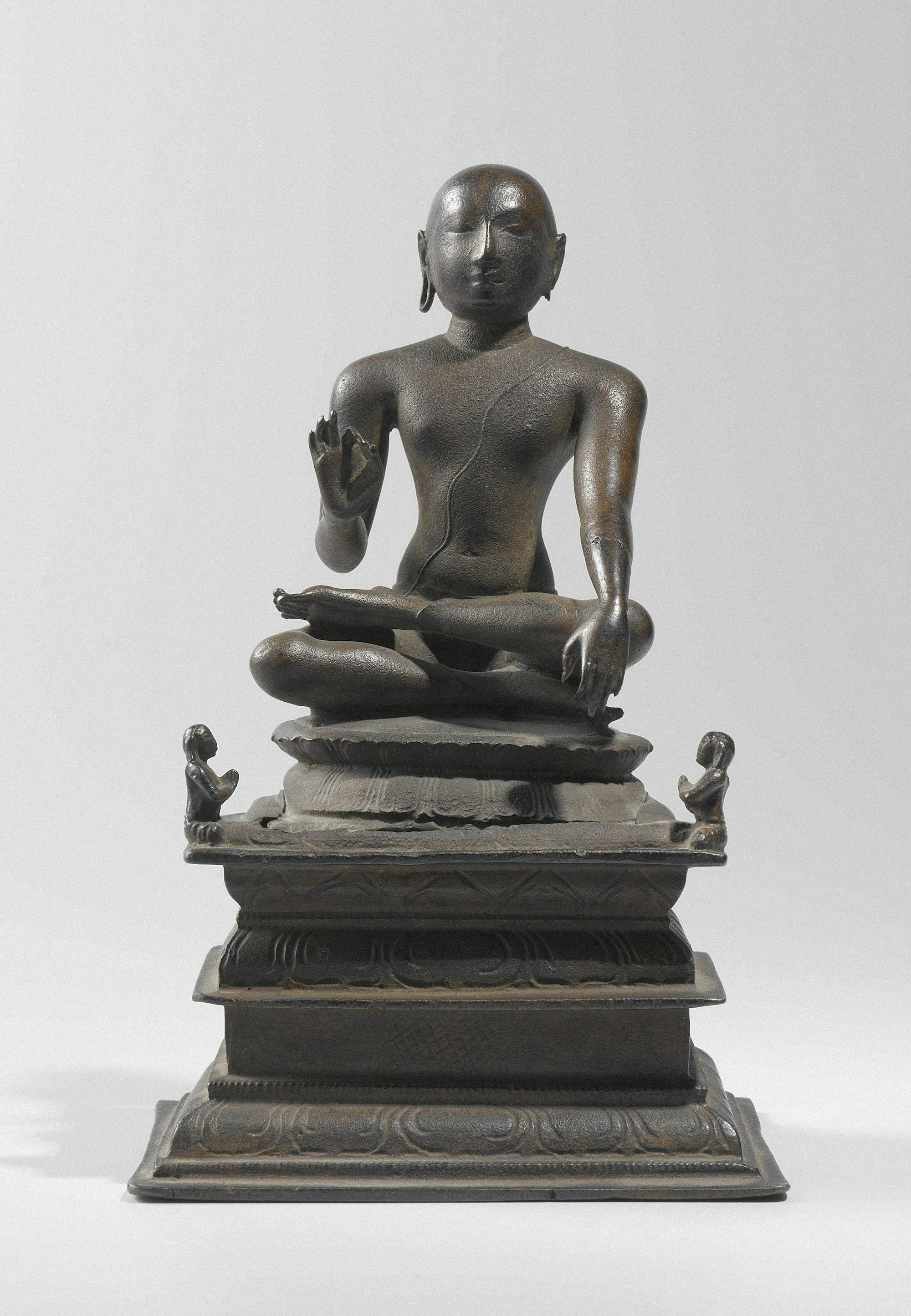
Material, condition and a clear record should guide the conversation. A considered catalogue makes space for each.
Light across the figure reveals variations in tone and texture. Photography can prompt questions; it cannot replace a physical condition examination.
The seated posture creates a compact shape, with the head and shoulders held above the folded lower form.
A layered plinth supports the figure. Its edges and connection to the sculpture are useful details for a closer condition review.
A real catalogue would establish the maker, period and material through documented research. Those details are not asserted in this study.
Clear photographs and an expert report should distinguish visible wear, later repairs and areas needing further examination.
Ownership records belong alongside the object. No ownership history or valuation is invented for this concept.
Begin with photographs and the records already in your care.
Agree the research and condition work the object needs.
Build a clear catalogue entry around substantiated information.
A considered catalogue for objects, collections and the knowledge that gives them context.
Build an auction site